Awning Hopper Steel Windows
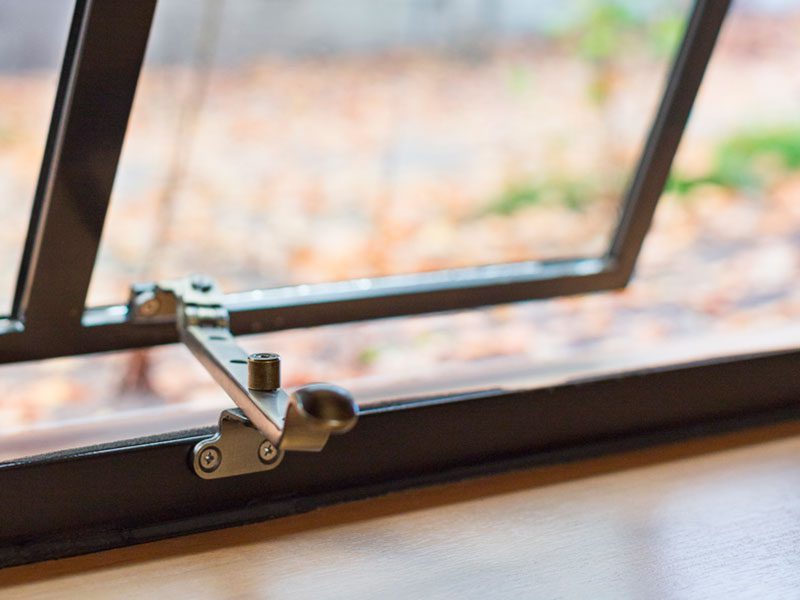
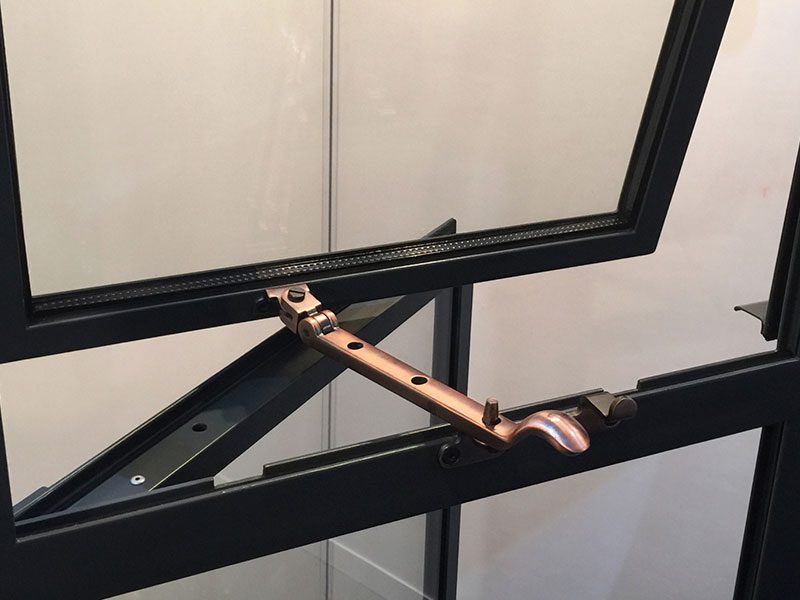
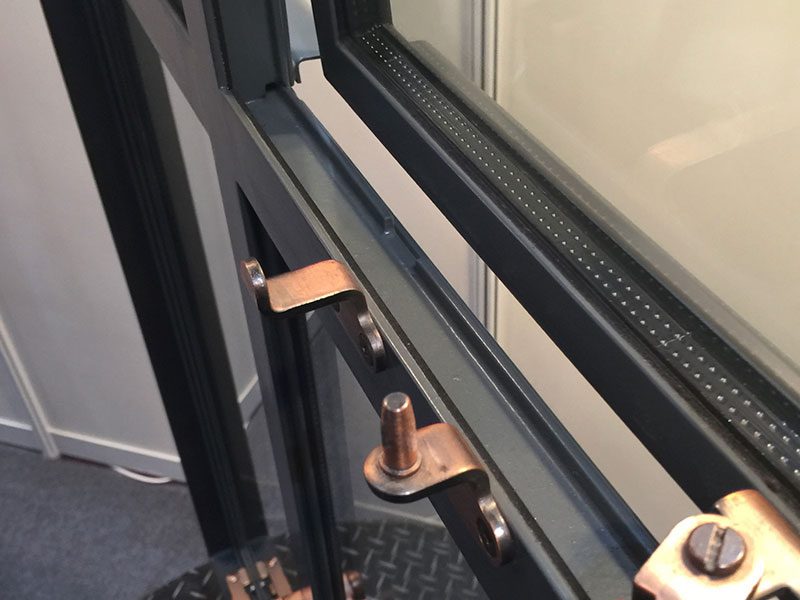
These windows are pushed from the bottom and rotate at the top, being awning and vice versa being Hopper. The open position offers an alternative aesthetic for open windows. These windows are ideal when low air flow is required. The friction hinges allow efficient opening regulation and closing control.
Benefits:
- Custom design
- Thermal performance
- Durability due to the treatment of hot-dip galvanized steel
- Variety of hardwares and accessories styles to choose from
- Low of maintenance
- Quick installation
- Slim profiles


Available Lines
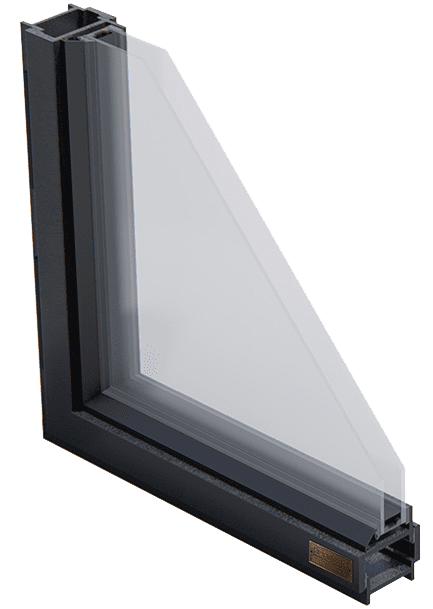
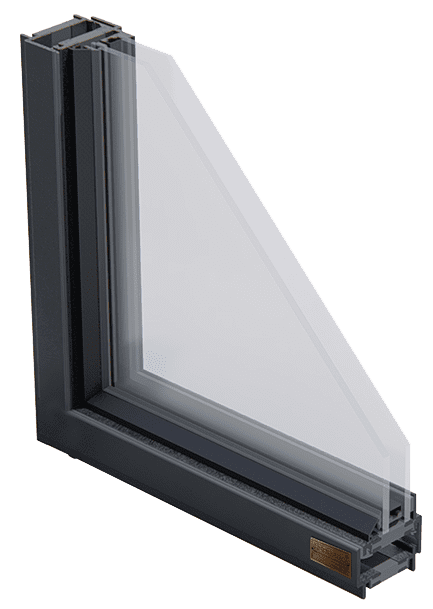
Awning and Hopper: The Difference
An awning window is hinged at the top and swings outward at the bottom. A hopper is the inverse — hinged at the bottom, swinging inward at the top. Same family, opposite geometry, and each solves a different problem.
The awning’s advantage is weather. Because the open sash forms a small roof over its own opening, it can stay open in rain without letting water in. For coastal and Southern California projects where cross-ventilation matters but summer storms are unpredictable, that is the difference between a window you can leave open and one you cannot.
The hopper’s advantage is placement. Swinging inward, it needs no exterior clearance, which makes it the right unit low on a wall, in a light well, or anywhere a projecting sash would be in the way.
Where They Go
Both are usually specified high or low rather than at eye level: above a run of fixed lites to vent the top of a tall room, under a window seat, along a corridor, or as the operable band in a combo unit where the main view stays fixed and uninterrupted.
That is the real argument for them: they let you keep the large glass fixed — narrower frames, tighter seal — and put the ventilation somewhere it does not cost you the view.
Sightlines
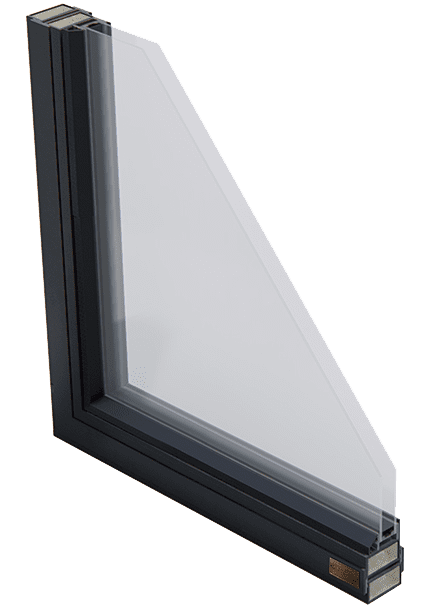
Steel carries roughly three times the tensile strength of aluminum, so a small operable sash does not need a bulky frame to stay square. HERRERO profiles can be as slim as 1 inch, which keeps a vent band from reading as a heavy stripe across the glass. See the comparison.
Glass, Thermal and Finish
Review glass options; where Title 24 requires it, specify the thermally broken ECO-SKY line. NFRC ratings and labels supplied for submittal.
Every unit is hot-dip galvanized as standard — on an outward-swinging sash the hardware takes weather directly — and powder coated in the full RAL palette. See finish options.